Compare Local Contractors for Yard Drainage Installation Success
Compare local contractors to define project scope, verify experience, and set clear expectations for effective yard drainage installation.
Yard drainage installation encompasses a variety of services aimed at managing excess water around a property. This work typically involves assessing the landscape to identify areas prone to pooling or erosion and then designing solutions such as French drains, surface grading, or subterranean piping systems. Proper drainage helps protect foundations, landscaping, and outdoor structures by directing water away from the property efficiently. Understanding the scope of drainage work is essential, as it can range from simple surface grading to complex underground systems, depending on the property's needs and the severity of drainage issues.
Clearly defining the scope of yard drainage installation is vital for property owners to ensure the project meets expectations. This process involves specifying the types of drainage solutions required, the extent of excavation or installation, and any additional considerations like soil conditions or existing landscape features. Having a detailed scope in writing helps prevent misunderstandings and provides a reference point for both property owners and contractors throughout the project. It also enables property owners to compare proposals more effectively, ensuring that each service provider's offerings align with the specific drainage needs of the property.
When evaluating local contractors for yard drainage installation, property owners should consider a variety of factors to make informed choices. Comparing experience with similar projects, verifying familiarity with local soil and landscape conditions, and reviewing the scope of services offered can all contribute to selecting a reliable service provider. It’s also helpful to seek clarity on their approach to project planning, the methods they use, and how they communicate expectations in writing. By focusing on these practical aspects, property owners can better assess which contractors are well-equipped to handle their yard drainage needs and ensure the work aligns with the property’s requirements.
Compare local contractors by outlining project priorities, verifying experience, and setting clear expectations in writing.
- Compare Contractors - review local service providers to find the best match for yard drainage installation needs.
- Define Project Scope - clearly outline the work requirements to ensure accurate understanding and expectations.
- Verify Experience - assess the background and expertise of local contractors to ensure quality work.
- Document Details - put project scope, responsibilities, and expectations in writing to avoid misunderstandings.
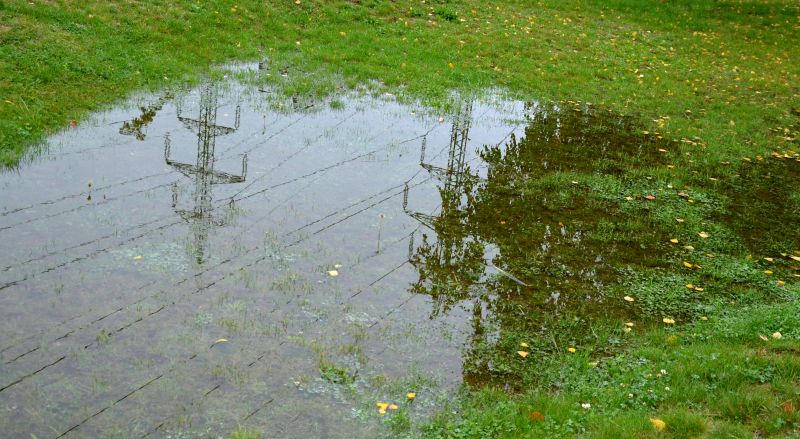
Before comparing local contractors for yard drainage installation, clearly describe your project scope and verify their experience in similar jobs.
- Verify experience and expertise of local contractors in yard drainage installation. - Ensure service providers clearly outline the scope of work and installation methods in writing.
- Compare multiple local contractors to assess their approach and recommended drainage solutions. - Look for detailed proposals that specify materials, drainage plans, and site preparation.
- Check references or reviews to gauge the reliability and quality of previous yard drainage projects. - Confirm that contractors have successfully completed similar installations in comparable environments.
- Discuss and document project expectations, including design, materials, and drainage performance outcomes. - Make sure all details are agreed upon and recorded before work begins.
- Assess the contractor’s knowledge of local soil conditions and drainage challenges specific to the area. - Choose service providers familiar with regional factors affecting yard drainage effectiveness.
- Request a written contract that includes scope, materials, and warranties to ensure clarity and accountability. - Review all terms carefully before proceeding with the installation.
Compare local contractors' experience and clarify project scope to ensure clear, consistent expectations.
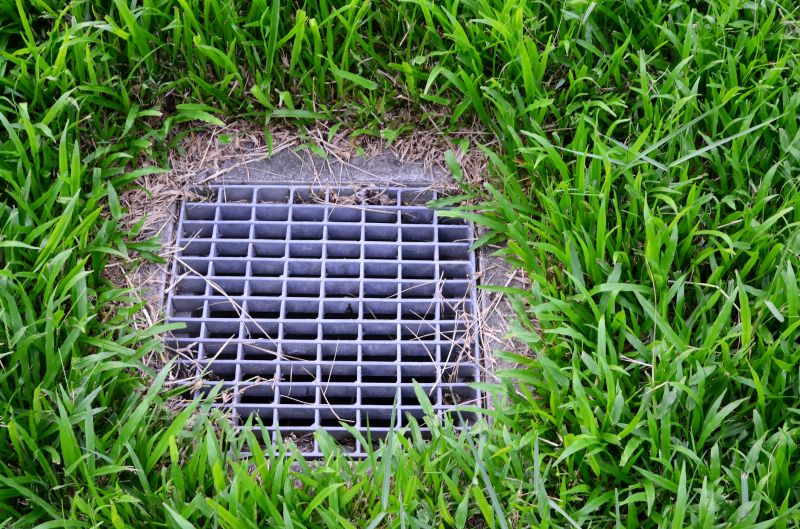
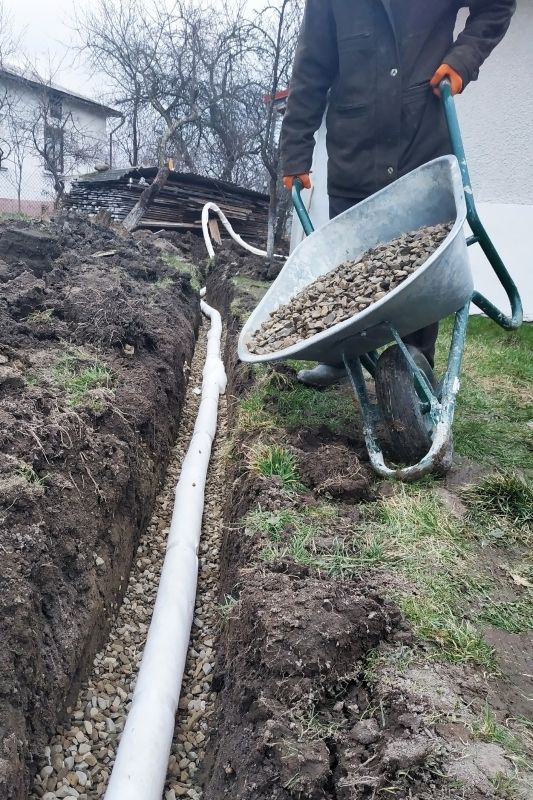
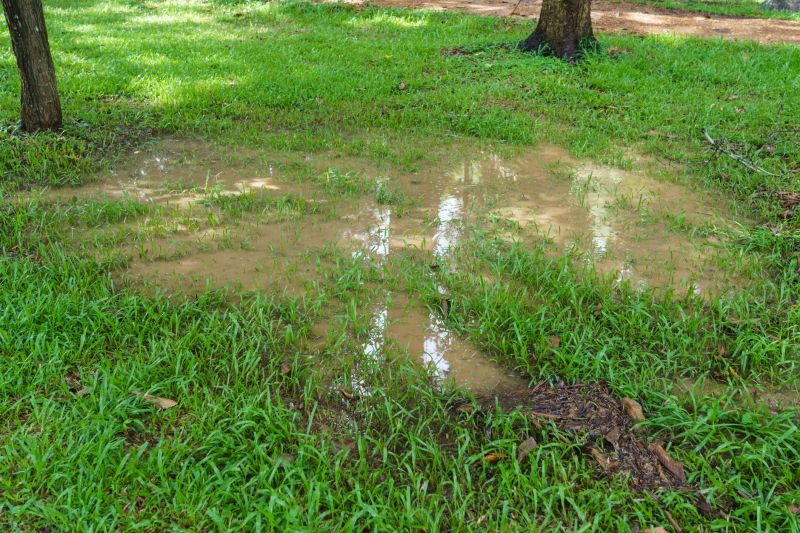
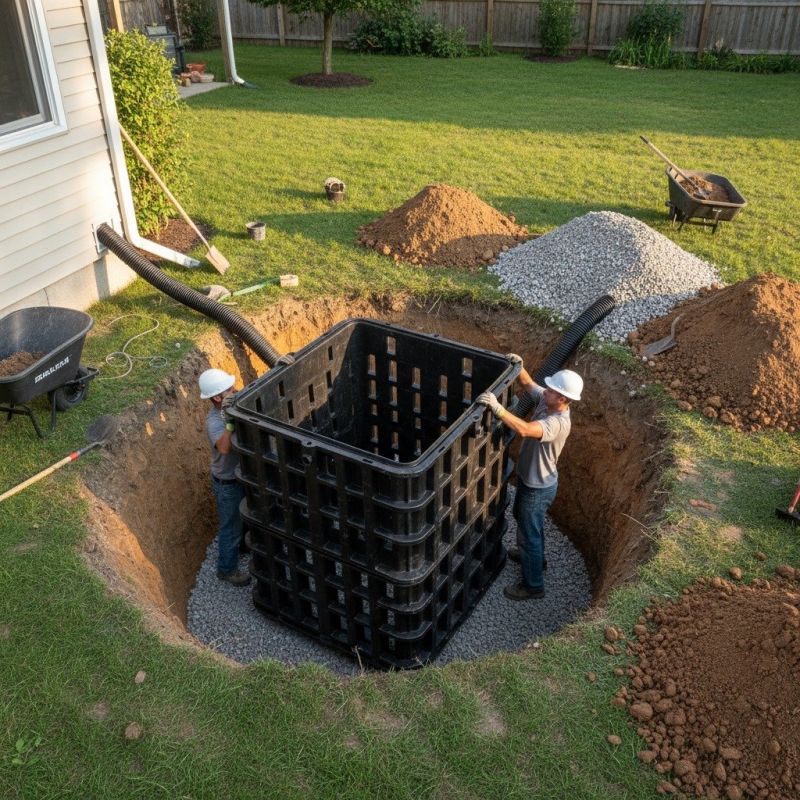
Learn how to compare yard drainage installation contractors, define scope, verify experience, and set clear expectations in writing.
- Project Scope - Clearly outline the specific yard drainage installation tasks required to ensure all parties understand the work involved.
- Site Assessment - Identify and evaluate the yard conditions, including slope, soil type, and existing drainage issues, to inform the scope.
- Design Specifications - Define the drainage system design, including materials, layout, and drainage features to be installed.
- Experience Verification - Confirm that local contractors have relevant experience with yard drainage projects similar in scope and complexity.
- Written Agreement - Ensure all project details, expectations, and scope are documented in a written agreement before work begins.
When evaluating contractors for yard drainage installation, it is important to consider their experience with similar projects. Homeowners should inquire about the types of drainage systems the service providers have installed in the past and seek details about projects comparable in size and complexity. Contractors with a history of successful yard drainage work are more likely to understand the challenges specific to different soil types, landscape features, and property layouts, which can contribute to a more effective installation process.
A clear, written scope of work is essential to ensure expectations are aligned before any work begins. Homeowners should request detailed project descriptions that outline the specific tasks involved, the materials to be used, and the approximate work process. Having this information in writing helps prevent misunderstandings and provides a reference point for evaluating the completeness of the proposed services. It also allows homeowners to compare how different service providers define the scope of their work.
Verification basics are key when comparing contractors for yard drainage installation. Homeowners should verify that the service providers have relevant experience, ask for references or examples of completed projects, and confirm that the contractors understand the site-specific conditions. Additionally, it is beneficial to review any available documentation or assessments related to the property’s drainage needs. This verification process helps ensure that the chosen contractor has the appropriate background and knowledge to handle the specific challenges of the project.
When assessing options for yard drainage installation, homeowners should focus on how well each contractor’s proposal aligns with the project scope and site conditions. It is important to evaluate the clarity of the proposed plan, the thoroughness of the outlined work, and the professionalism of the communication. Comparing the details provided by different service providers can reveal their level of expertise and attention to detail. Ultimately, selecting a contractor involves considering their experience, the clarity of their scope, and their approach to verifying site conditions, all of which contribute to a successful yard drainage project.
Ask contractors to provide written scope details to ensure clear expectations and consistent project understanding.
- Experience and Expertise - How do contractors demonstrate their experience with yard drainage installation projects?
- Scope of Work - What specific tasks and materials are included in each contractor’s proposed scope?
- Comparison of Services - How do service providers differ in the methods and solutions they recommend for yard drainage?
- Project Expectations - How will contractors define and document the scope, process, and responsibilities in writing?
- Qualifications and References - What evidence or references can contractors provide to verify their experience with similar yard drainage projects?
How can I compare contractors for yard drainage installation? To compare contractors, review their experience, ask for references, and verify their familiarity with similar projects to ensure they meet the specific needs of your yard.
What should I include in the scope of work for my drainage project? Clearly define the areas to be drained, the type of drainage system desired, and any specific site considerations to help contractors provide accurate proposals.
How do I verify a contractor’s experience with yard drainage systems? Ask contractors about their past projects, request examples of completed work, and inquire about their familiarity with different drainage solutions and site conditions.
Why is it important to get work details in writing? Having a detailed written agreement helps clarify project scope, materials, and responsibilities, reducing misunderstandings and ensuring everyone is aligned on expectations.
What questions should I ask when evaluating local contractors? Inquire about their experience with yard drainage, the methods they recommend, how they handle site-specific challenges, and their approach to project management.
How can I ensure a contractor understands my drainage needs? Clearly communicate your goals, provide details about your yard, and discuss the proposed approach to confirm that the contractor’s plan aligns with your expectations.
By exploring options for yard drainage installation, visitors can gain a clearer understanding of the importance of defining project scope, verifying experience, and setting clear expectations in writing. Comparing local contractors allows for a more informed decision-making process, helping to identify service providers who meet specific needs and preferences. Utilizing the quote form provides an easy way to connect with qualified local service providers, making it simple to evaluate options side by side.
Taking the time to compare local contractors ensures that the project details are clearly outlined and expectations are aligned before work begins. The quote form serves as a practical tool to facilitate introductions to experienced service providers in the area, helping to streamline the process of finding the right fit for yard drainage installation.