Compare Local Contractors for Swale Installation Success
Compare local contractors for swale installation to define project scope, verify experience, and set clear expectations in writing for a successful outcome.
Swale installation involves creating and installing a shallow ditch or trench designed to manage water flow across a property. This work typically includes assessing the land’s topography, planning the swale’s placement, and excavating the trench to ensure proper drainage. Proper installation can help prevent water pooling, reduce soil erosion, and direct runoff away from foundations or landscaped areas. Because the scope can vary based on the property’s size and specific drainage needs, it’s important for property owners to clearly define what they want the swale to accomplish and communicate these goals with the chosen service provider.
Defining the scope of a swale installation project is essential to ensure that both property owners and contractors have a shared understanding of the work involved. This includes specifying the desired location, size, and depth of the swale, as well as any additional features such as outlets or connections to existing drainage systems. A detailed scope helps prevent misunderstandings and ensures that the work aligns with the property’s drainage requirements. It also provides a basis for comparing different local contractors, as it allows property owners to evaluate how each service provider plans to approach the project and whether their proposed methods meet the outlined expectations.
When comparing contractors for swale installation, property owners should consider experience and familiarity with local land conditions. Verifying a contractor’s previous work on similar projects can provide insight into their ability to handle the specific challenges of the area. It’s also helpful to review their process for defining scope and documenting work details in writing, such as through detailed proposals or contracts. Ensuring that service providers understand the project’s scope and have a clear plan can contribute to a smoother process and a final result that meets the property owner’s drainage goals. Comparing multiple local contractors based on their experience, approach, and clarity of communication can help identify those best suited for the job.
Compare local contractors by outlining project priorities, verifying experience, and clearly defining scope and expectations in writing.
- Compare Contractor Experience - Review the backgrounds and project history of local contractors to ensure they have relevant experience with swale installation.
- Define Project Scope - Clearly outline the work to be done and expectations in written agreements to prevent misunderstandings.
- Verify Credentials and References - Check references and verify credentials to assess the reliability and quality of local service providers.
- Set Clear Communication Expectations - Establish how project details and updates will be shared to maintain transparency throughout the process.
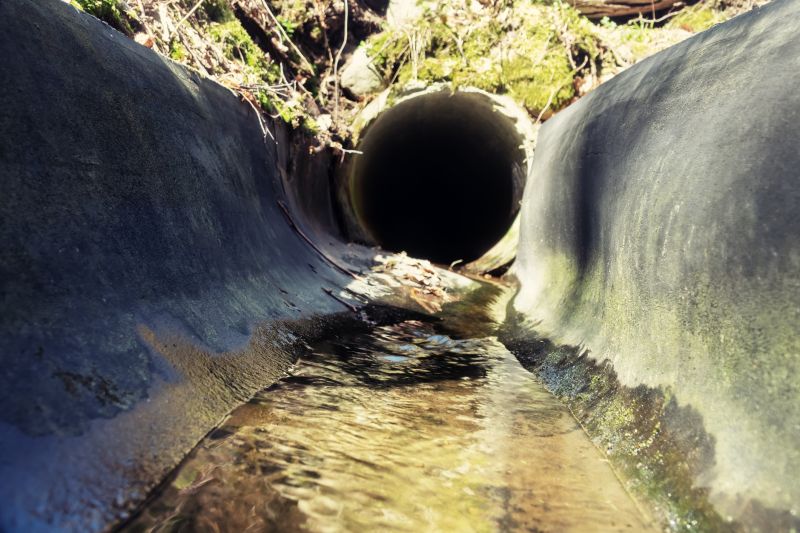
Clearly describe your swale installation project to help local contractors compare options and set clear expectations.
- Verify experience and expertise in swale installation to ensure the contractor understands proper design and construction techniques. - Review the scope of work to confirm it clearly defines all necessary tasks and materials involved in the project.
- Compare multiple local contractors to assess their qualifications, reputation, and ability to meet project requirements. - Ensure that service providers can provide detailed written proposals outlining the work to be performed.
- Check references or previous work examples to evaluate the quality and durability of past swale installations completed by the contractor. - Confirm that the contractor has experience working with similar property types and site conditions.
- Discuss and document project expectations, including scope, materials, and any specific design preferences, in a written agreement. - Clarify the responsibilities and deliverables to prevent misunderstandings during the project.
- Assess the contractor’s understanding of local regulations and best practices for swale installation to ensure compliance and proper function. - Request explanations on how the contractor plans to address drainage, soil stability, and erosion control.
Use this section to compare local contractors, clarify project scope, verify experience, and set clear expectations.
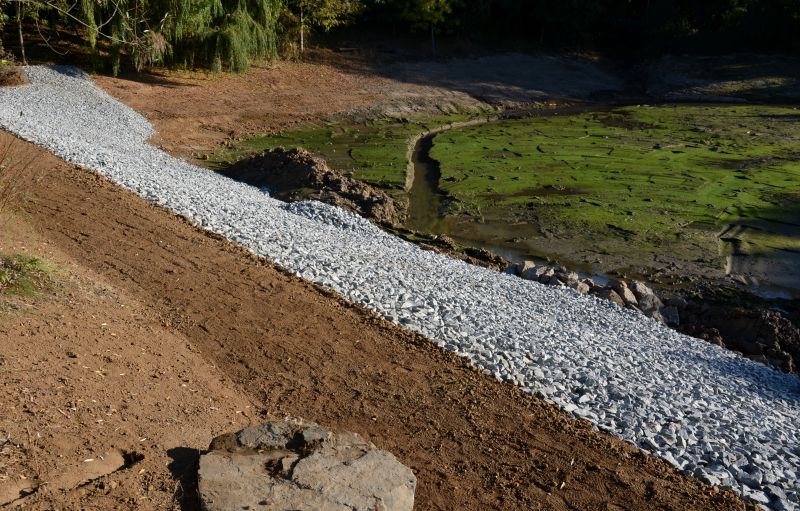
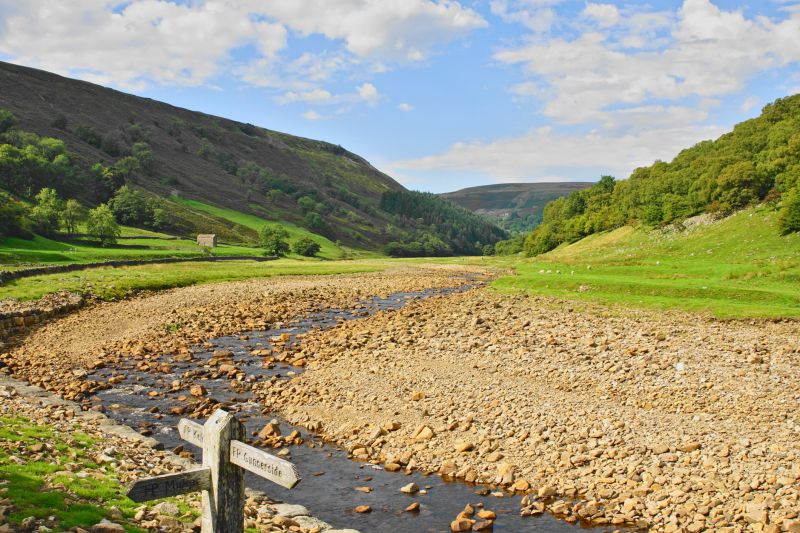
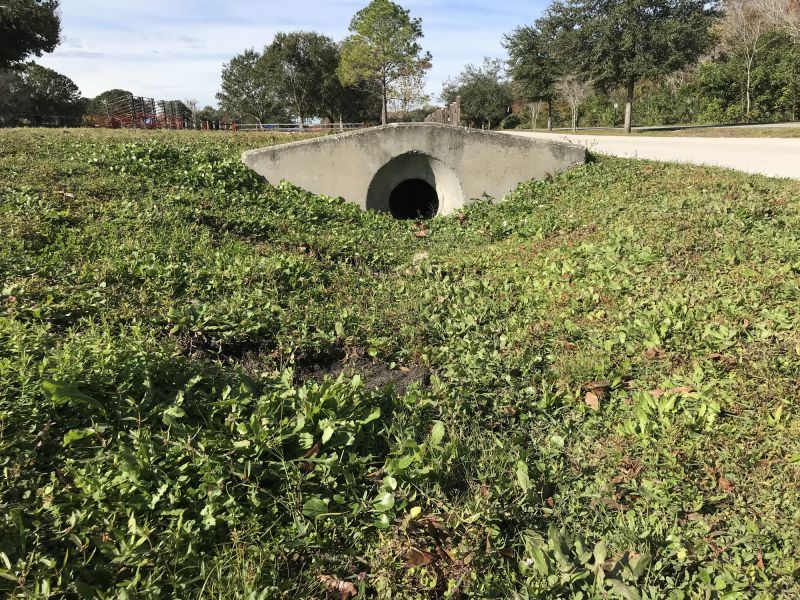
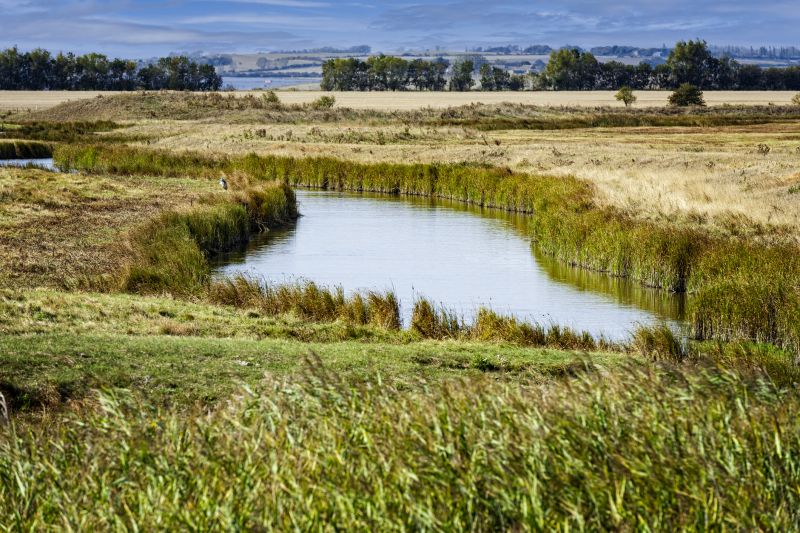
Learn how to compare contractors, define project scope, verify experience, and set clear expectations in writing.
- Scope Definition - Clearly outline the specific tasks and responsibilities included in the swale installation project.
- Experience Verification - Confirm that local contractors have relevant experience with swale design and installation.
- Material Specifications - Specify the types of materials to be used and ensure they meet project requirements.
- Design and Layout - Establish the planned design, dimensions, and location of the swale in writing.
- Permitting and Compliance - Identify any necessary permits and ensure the scope aligns with local regulations.
When comparing contractors for swale installation, it is important to consider their experience with similar projects. Homeowners should inquire about the types of swale work the contractors have completed, including the size, scope, and complexity of past jobs. Contractors with a proven track record in handling projects comparable to the current needs are more likely to understand the specific requirements and challenges involved, leading to a smoother process and a more effective final result.
A clear, written scope of work is essential when evaluating potential service providers. This document should outline the specific tasks to be performed, materials to be used, and the expected outcomes. Having a detailed scope helps prevent misunderstandings and ensures that both the homeowner and the contractor are aligned on project expectations. It also provides a basis for assessing whether the contractor’s approach matches the homeowner’s goals for the swale installation.
Verification basics involve confirming that contractors have the necessary experience and a history of completing similar projects successfully. Homeowners should ask for references or examples of previous work, and verify that these projects meet the standards expected for quality and durability. It’s also advisable to check that the contractor’s work aligns with local regulations and best practices, which can often be confirmed through references or prior project reviews.
When evaluating options, homeowners should focus on the contractor’s experience, the clarity of the scope of work, and their verification of past projects. Comparing these factors helps ensure that the selected service providers are capable of delivering the desired results and that expectations are clearly established upfront. This approach promotes a transparent and informed decision-making process, leading to a more satisfactory swale installation experience.
Ask contractors to provide written scope details to ensure clear expectations and consistent project understanding.
- Experience and Expertise - What specific experience do local contractors have with swale installation projects?
- Scope of Work - How will the contractor define and document the scope of the swale installation to ensure clarity?
- Materials and Methods - What materials and construction methods do the service providers plan to use, and how do they compare?
- Project Expectations - How will the contractor outline the expected outcomes and responsibilities in writing?
- Comparison Criteria - What factors should be considered when comparing different local contractors for swale installation?
What should I consider when choosing a contractor for swale installation? It’s important to compare the experience and reputation of local contractors, review their past work, and ensure they clearly define the scope of work in writing to meet your project needs.
How can I verify a contractor’s experience with swale installation? Ask for references or examples of previous projects similar to yours, and verify their background to ensure they have relevant experience handling swale installation tasks.
Why is it important to define the scope of work in writing? Having a detailed written scope helps set clear expectations, prevents misunderstandings, and provides a reference for the project’s deliverables and responsibilities.
What questions should I ask contractors during the selection process? Inquire about their experience with swale installation, request details about their process, and ask how they handle unexpected issues or changes during the project.
How can I compare different contractors effectively? Review their qualifications, request written scope and project details, check references, and consider their approach to the work to determine which contractor aligns best with your project requirements.
What role does communication play in working with a contractor? Clear and open communication ensures that project expectations are understood, changes are documented, and any concerns are addressed promptly throughout the process.
By reviewing the information provided, visitors can better understand the importance of defining the scope of their Swale installation project, verifying the experience of local contractors, and setting clear expectations in writing. This approach helps ensure a smoother process and a clearer path to selecting the right service providers for the job. Utilizing the quote form allows for easy comparison of various local contractors, making it simpler to identify options that align with specific project needs.
Taking a moment to compare local contractors through the quote form can help clarify differences in experience, scope, and service offerings. This step empowers visitors to make informed decisions by connecting with service providers who are well-equipped to handle Swale installation projects. Using this tool provides a straightforward way to explore available options and find the right match for individual project requirements.